
If you’re considering a hair transplant, one of the first questions you’ll want answered is if a hair transplant is permanent.
The good news is that hair transplants are designed to be a permanent solution to hair loss, but how long your results last and the quality of your results comes down to a combination of surgical technique and the aftercare you follow once the procedure is done.
Hair transplants work by moving hair follicles from an area of the scalp that’s resistant to balding (usually the back or sides of the head) to areas experiencing thinning or loss.
These hair follicles are often referred to as the donor hair and this hair keeps growing regardless of where it’s placed. This is why transplanted hair typically continues to grow for a lifetime once it has settled into its new location.
A hair transplant tends to work best for people with more advanced or well-established hair loss, where there’s clear thinning or balding in a defined area and enough healthy donor hair elsewhere to relocate.
Understanding the growth timeline for your hair transplant helps set realistic expectations, as results don’t appear overnight.
This early window is when the scalp is most vulnerable and most in need of proper support. At Pumice & Willow, our hair transplant aftercare service is built around this exact timeline, helping newly transplanted follicles settle in with the best possible chance of long-term success.
Most of the conversation around hair transplants focuses on the surgery itself, but what happens afterwards matters just as much.
This is where Pumice & Willow comes in. Our hair transplant aftercare service is designed to support patients through every stage of the healing and growth timeline, from the sensitive first few weeks through to the final months of growth.
The scalp is at its most delicate immediately after surgery. Newly placed grafts haven’t yet secured themselves in their new location, which means even small amounts of friction, dryness or bacteria can affect how well they take.
Our aftercare treatments support the healing process without disturbing the newly placed grafts, helping to reduce common issues like scabbing, itching and inflammation.
We take a careful, hands-on approach during this stage, using gentle cleansing techniques and soothing treatments designed specifically for post-surgical scalps, rather than generic haircare that could be too harsh for such a sensitive area.
As hair begins to regrow, ongoing scalp care helps create the healthiest possible environment for new follicles to thrive. This is often the stage where patients are most eager to see progress, but it’s also when consistent, gentle support behind the scenes makes the biggest difference to how well the new hair comes through.
A healthy scalp with good circulation and minimal inflammation gives follicles the best conditions to strengthen and thicken as they establish themselves.
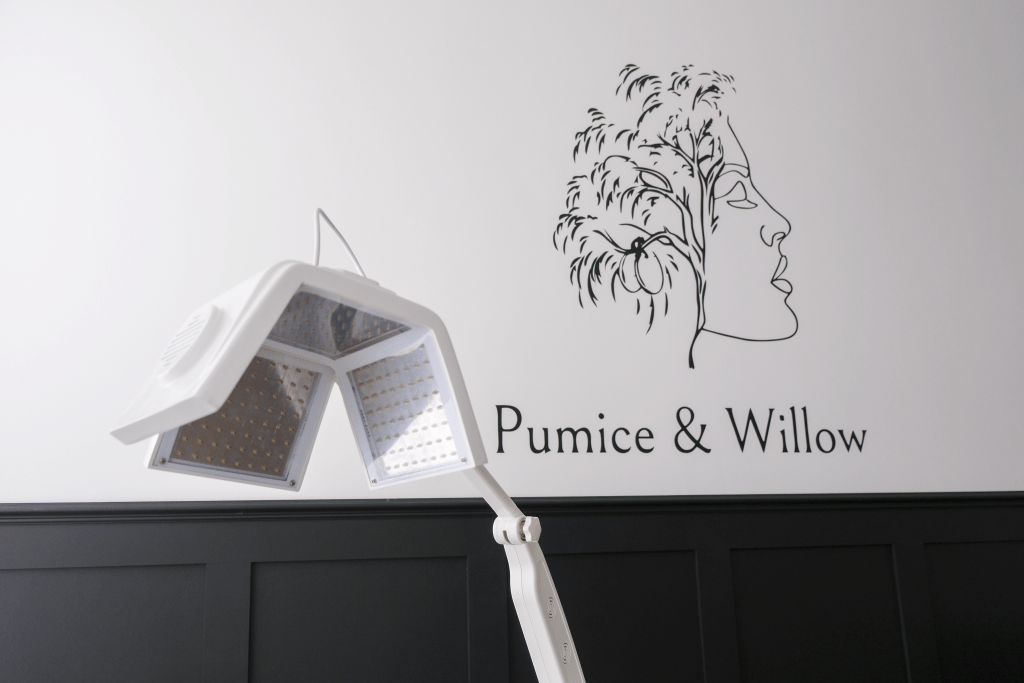
Because natural hair loss can continue in untreated areas even after a successful transplant, many clients combine their aftercare journey with treatments such as laser hair regrowth therapy.
This helps maintain a fuller, more even look across the whole scalp, not just the transplanted area. Laser hair regrowth therapy can help stimulate circulation and support existing follicles in areas that weren’t part of the transplant.
Bringing these treatments together into an ongoing plan, rather than treating them as one-off add-ons, means your results are far less likely to be undermined by hair loss continuing elsewhere.
There are a few practical steps that can help protect your results and keep your hair looking its best for years after the procedure.
Hair transplants are designed to provide a permanent solution for the areas they treat, with transplanted follicles typically continuing to grow for life. However, “permanent” refers to the transplanted hair itself, not necessarily your entire head of hair, since natural hair loss can still affect untreated areas over time.
The best way to ensure long-lasting, natural-looking results is to choose an experienced surgeon for the procedure, then follow up with dedicated aftercare that supports your scalp through every stage of healing and regrowth.
At Pumice & Willow, our aftercare programme is built specifically around this journey, helping you protect your results and enjoy the full benefits of your transplant for many years to come. Book a consultation to find out how we can support your recovery.